


WebApp Dev develops user-friendly Android applications for clients in USA
Our team of iOS developers have years of experience in developing scalable iPhone apps.
Globally acclaimed mobile app development agency for iOS & Android platforms.
The app store optimization services we provide helps increase your app’s downloads.
Explore the future of connectivity with WebApp Development, your partner in crafting cutting-edge IoT applications for a connected world.
We develop mobile applications using the react native framework for our clients in USA
Alluring designs and interface for your wearable applications
We have the best Flutter app developers who have expertise in development for clients in USA.
WebApp Dev’s team of game app developers deliver great designs and smooth gameplay to attract users.


Turning a Loyal Basketball Community into an Engaged, Paying User Base.
Building a Community-First App to Share and Swap Homegrown Produce
Revolutionize online shopping with WebApp Development's Shoppo, delivering tailored digital solutions for an immersive and efficient e-commerce experience.


Transform financial landscapes with WebApp Development, your partner in delivering innovative digital solutions for the banking and finance sector
Streamline your logistics operations with WebApp Development, delivering innovative digital solutions for enhanced efficiency and supply chain management.
Enhance travel experiences with WebApp Development, crafting innovative digital solutions for the dynamic world of travel and tourism
Transforming healthcare through innovative digital solutions – WebApp Development pioneers excellence in the health industry
Revolutionizing the dining experience – WebApp Development serves up tailored digital solutions for the restaurant industry
Redesigning real estate experiences – WebApp Development pioneers digital solutions that elevate property transactions and management.
Empowering financial innovation – WebApp Development crafts fintech solutions that redefine the future of the industry.
Transforming education through cutting-edge technology – WebApp Development pioneers digital solutions for a dynamic learning experience.
Revolutionize online commerce with WebApp Development, delivering seamless digital solutions for a thriving e-commerce experience.
Drive innovation in the automotive industry with WebApp Development, crafting tailored digital solutions for efficiency and growth.

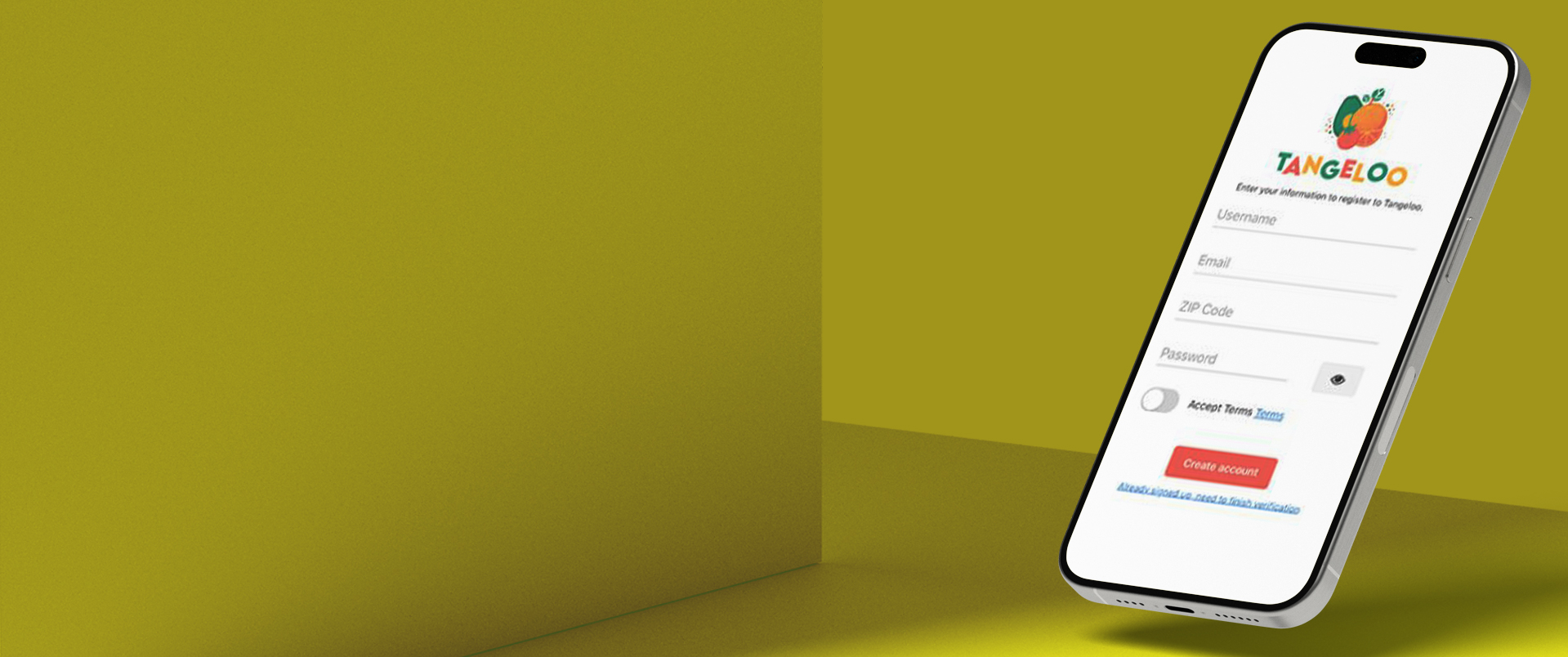
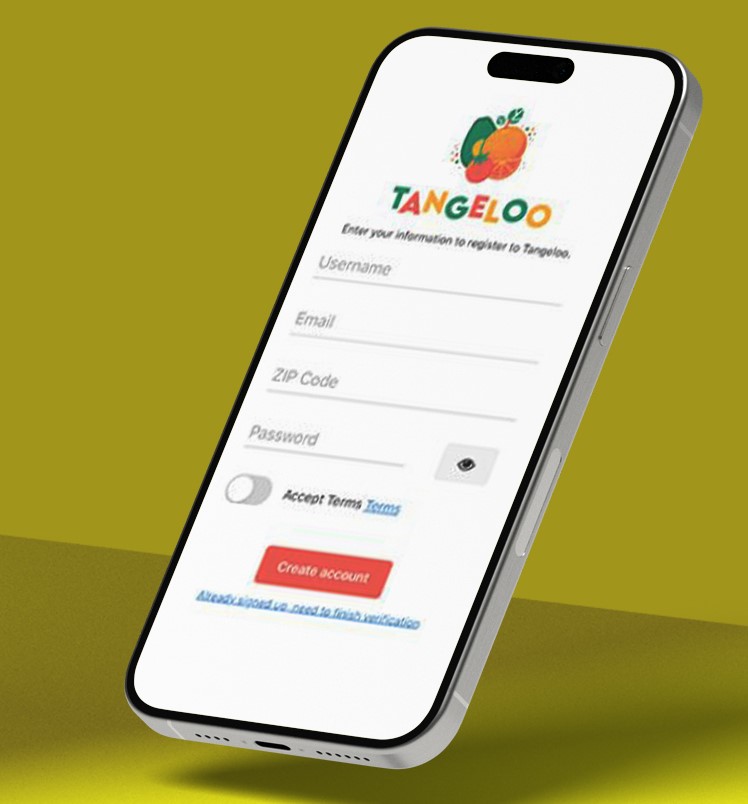
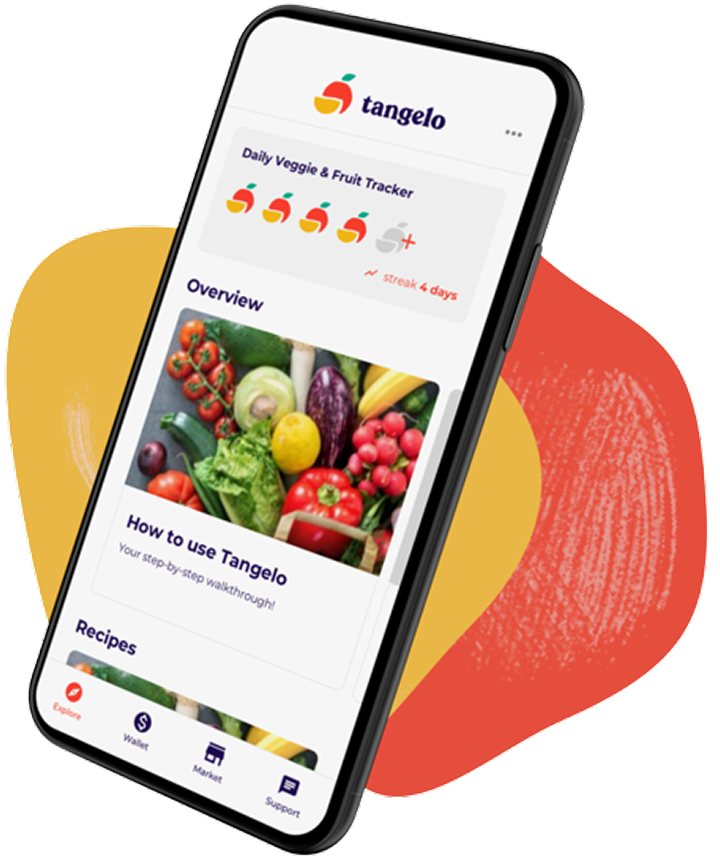
Tangeloo is a mobile app that helps home gardeners trade or share surplus produce with neighbors. WebAppDev brought the idea to life in just three months, designing and developing a friendly, location-based platform that fosters connection, reduces waste, and builds community.

Tangeloo began with a simple but powerful idea: if someone’s backyard lemon tree is bursting with fruit, why not let neighbors benefit too?
The founders noticed how often fresh produce went to waste and how much potential there was in connecting local growers with their community. Whether someone had excess tomatoes, avocados, or herbs, they wanted to create a space where users could easily list, browse, and trade homegrown goods through a friendly mobile app.
Their goal was less about profit and more about cultivating connection, reducing waste, and creating a more sustainable local food culture.
While the mission was clear, the execution needed help. Tangeloo came to WebAppDev with a sketch of their idea, but no technical roadmap. They needed to:
The biggest challenge was doing it all within a tight startup budget and timeline, without sacrificing usability or delight.
We started by digging into the experience from a gardener’s point of view:
From this, we mapped out core screens, onboarding, posting, searching nearby listings, chatting, and built low-fidelity wireframes to align with the founding team.
These early screens were transformed into interactive prototypes that we used to test flows and get quick feedback from the client and a few early testers. The clickable prototype helped shape Tangeloo’s user journey before writing a single line of code.

We created a soft, nature-inspired design system:
The end result felt like what you’d expect from a friendly, neighborhood gardening tool, not a cold, impersonal marketplace.
Users could post what they were offering, lemons, kale, mint, you name it, and define their preferred exchange radius so nearby neighbors could discover them.
A listing form made it easy to snap a photo, write a short description, set a quantity, and mark availability.
The app allowed users to browse produce near them, sort listings by freshness or category (fruits, herbs, vegetables), and filter by distance or time posted.
Lightweight chat allowed users to coordinate pickups or drop-offs securely. The experience was simple and didn’t require exchanging personal contact info.
Each gardener had a basic profile that listed their past activity and allowed simple thumbs-up feedback after trades, building trust in the community without overcomplicating the UX.
We also built a web-based admin portal for the Tangeloo team. They could manage user activity, flagged or expired listings, community reports, support requests, and content moderation tools.
Data privacy was a core consideration. All chat messages were encrypted, and user location data was only shared approximately (never exact addresses), to protect trust and comfort.
Community gardeners onboarded in the pilot week.
User feedback rating.
Co-Founder, Tangeloo.
Tangeloo is a tool to build relationships, share abundance, and reduce waste in a way that feels real and local. For us at WebAppDev, it was a chance to build something that helps people feel more connected to their neighbors, their gardens, and their values. It reminded us that apps don’t always have to scale fast to be meaningful; they just need to solve real problems with empathy and clarity.


